
The 24‑Hour Leak Playbook — How to Protect People, Property and Production
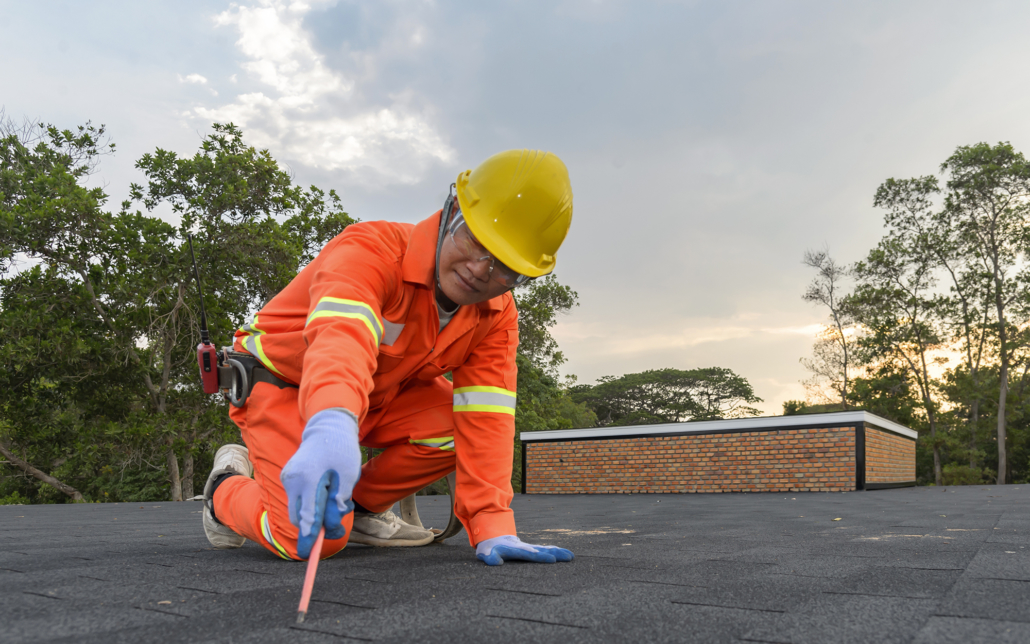
When a commercial roof starts leaking, you have two clocks running at the same time — how fast the water is spreading, and how fast you can respond. In those first 24 hours, the choices you make will decide whether you are dealing with a manageable incident or a major interruption that damages equipment, inventory and your reputation.
Industry estimates suggest water intrusion through commercial roofs costs U.S. businesses billions of dollars every year in repairs, ruined materials and lost production. Insurers routinely warn that even a “minor” leak can quickly escalate into structural damage and mold if it is not handled correctly.
This blog lays out a practical, 24-hour leak playbook you can use to protect people, property and production — and shows where a partner like Commonwealth Roofing Corp. (CRC) fits into that plan.
First principle — safety before everything else
When water is coming through the ceiling, it is tempting to rush. Slow down enough to get the safety piece right.
OSHA and industry safety groups emphasize that roof work during storms, lightning or high winds is dangerous and should be limited to true emergencies. Non-emergency rooftop work should be postponed when winds are high enough to affect balance or blow materials, and workers need a plan for lightning safety before they ever go outside.
For your on-site team, that means:
- Do not send untrained staff onto a wet, windy or icy roof.
- Treat water near electrical panels, switchgear or data rooms as high-risk.
- Block off slippery floor areas quickly to avoid slips and falls.
With that mindset in place, you can move into the actual 24-hour playbook.
Hour 0–1: Protect people first
The moment someone notices a leak, the priority is keeping people safe.
1) Secure the area
- Rope off or cone off the affected floor area so no one walks under active drips.
- Put out “wet floor” signs to reduce slip hazards.
- If water is near electrical panels, outlets or equipment, follow your lockout and electrical safety procedures and involve your electrical or safety team immediately.
A leaking roof becomes an emergency when it disrupts operations or creates a safety risk for people below. Treat it that way from the start.
2) Contain what you can safely
- Place buckets, trash cans or other containers under the leak to catch water.
- Use plastic sheeting or tarps to protect nearby surfaces.
- If water is running across a floor, use mops, squeegees or absorbent pads to guide it away from walkways and sensitive areas.
The goal is not to fix the roof — it is to slow down the damage and buy time until a professional arrives.
3) Start your leak log
Right away, record:
- Date and time the leak was first noticed.
- Location (building, floor, room, grid line or nearby landmark).
- Weather conditions (rain, snow, wind, freeze-thaw).
- Any immediate actions taken.
Take a few quick photos or a short video. Those images will help your roofing contractor diagnose the problem and will be useful for insurance or internal reporting later.
Hour 1–4: Protect property and gather the right information
Once people are safe and the immediate runoff is contained, shift to protecting assets and documenting what is happening.
4) Move or protect critical items
- Relocate inventory, equipment, files and electronics away from the leak path if possible.
- Cover items that cannot be moved with plastic sheeting or tarps.
- Pay extra attention to anything that would be expensive or time-consuming to replace.
Risk-management guidance for commercial buildings is clear — rapid relocation and protection of vulnerable contents is one of the most effective ways to reduce loss costs from water damage.
5) Document the full impact
Add to your leak log:
- Close-up photos of the leak area, walls and ceilings.
- Wider-angle shots that show context — equipment, inventory and people flow.
- Notes on any production or operations that have been interrupted.
- Any prior leak history in this location.
Being systematic here pays off. When you call a roofing contractor, high-quality information helps them triage more effectively. If you later file an insurance claim, the combination of photos, times and actions taken demonstrates that you responded promptly and responsibly.
6) Call your roofing partner
By this point, you should be on the phone with your roofing partner and treating the situation as an emergency service call.
Professional sources agree that most commercial roof work — especially leak diagnostics — is best left to trained contractors. Improper techniques can make damage worse and put workers at risk.
When you call, be ready with:
- Your leak log details.
- Photos, if you can send them electronically.
- A clear description of what is at risk (production lines, showrooms, offices, critical equipment).
Ask when a technician can be on-site and what you should (and should not) do while you wait.
Hour 4–24: Stabilize, diagnose and plan the fix
Once conditions are safe for roof access, the focus shifts to a mix of short-term stabilization and long-term solutions.
7) Let professionals access the roof — when it is safe
Your roofing contractor will decide when it is safe to access the roof based on weather, wind and lightning guidance.
On site, a good technician will:
- Check the roof in line with where you see interior symptoms, but also upstream.
- Inspect flashings, penetrations, seams, terminations and drains — the places NRCA notes are most often responsible for leaks.
- Evaluate whether there are multiple entry points feeding the same interior leak.
You should expect them to keep safety front and center — fall protection, controlled access and clear communication with people below.
8) Install temporary measures, if needed
In many cases, there is a need for short-term stabilization while a permanent repair or project is planned. Examples include:
- Temporary patches at obvious membrane splits or open seams.
- Reinforced tarps or peel-and-stick materials in localized areas.
- Clearing and re-screening clogged drains or scuppers so water moves off the roof.
Emergency repair guidance commonly highlights temporary waterproofing and restoring drainage as the fastest ways to reduce further damage.
These steps are not meant to last forever — they are bridges to a permanent solution.
9) Diagnose root causes, not just symptoms
Once the immediate crisis is under control, ask your contractor to walk you through why the leak happened, not just where water showed up.
Root causes might include:
- A failed flashing or improperly detailed penetration.
- A seam that opened due to age or movement.
- Chronic ponding that has stressed the system.
- Prior patching that did not address the true entry point.
- An aging system that is nearing the end of its useful life.
Technical bodies like IIBEC emphasize understanding roof system functionality as a whole — how all components work together — rather than chasing isolated symptoms.
This “why” conversation is where you start to move from emergency response into smarter planning.
10) Build a short- and long-term plan
Within that first 24-hour period (or soon after), you should have two things:
- A clear description of what was done to stabilize the leak.
- A prioritized set of options for permanent repairs or broader work.
Depending on what your contractor finds, permanent solutions could range from:
- Localized repairs at seams, flashings or penetrations.
- Limited replacement of saturated insulation and membrane in a small area.
- More extensive projects such as restoration, recover, metal retrofit or full replacement, if the system is at the end of life.
Industry data suggests that a large percentage of leaks can be prevented with timely, targeted repairs and basic maintenance — but only when you move quickly and then follow up with a plan.
Common mistakes to avoid in the first 24 hours
Even well-run facilities can fall into a few traps during a leak event:
- Sending untrained staff onto a dangerous roof. Wet, windy or icy conditions increase the risk of falls and injuries.
- Trying to “fix the roof” with interior work only. Ceiling tiles and paint do not stop water intrusion — they only hide it.
- Coating or sealing over saturated areas without diagnostics. Trapped moisture leads to blisters, corrosion and premature failure.
- Not documenting the event. Lack of photos, logs and a clear timeline makes it harder to manage risk, justify repairs or support insurance claims.
- Treating a recurring leak as “normal.” Chronic leaks are almost always a sign that root causes have not been addressed.
Your 24-hour playbook should explicitly spell out what not to do, just as much as what you should do.
How to prepare before the next leak
The best time to write your leak playbook is before you need it. A few simple steps can drastically improve your next response:
- Create a basic roof plan that marks drains, rooftop units, prior leak locations and access points.
- Build a one-page leak response checklist for your team — who to call, who can move inventory, who can shut down equipment.
- Confirm your relationship with a qualified roofing partner and know how to reach them after hours.
- Align your plan with broader water damage prevention programs and risk-management checklists.
- Schedule regular roof inspections so you know your baseline condition.
When the next storm hits, you will be ready to act in minutes instead of improvising for the first few hours.
Where Commonwealth Roofing Corp. (CRC) fits in your 24-hour leak playbook
Your facility team owns the first few minutes — safety, containment and protection of assets. After that, you need a partner who can:
- Respond quickly when you call.
- Work safely in challenging conditions.
- Find the real source of leaks, not just the nearest stain.
- Stabilize the situation with right-sized emergency measures.
- Provide clear, photo-rich documentation of conditions and repairs.
- Turn a one-time event into a better plan for next time.
Commonwealth Roofing Corp. (CRC) has been doing exactly that for commercial and industrial facilities since 1981. As a KRCA-certified contractor, CRC combines disciplined diagnostics, professional safety practices and practical repair options to protect people, property and production — especially when time is tight.
If you do not yet have a 24-hour leak playbook, or if you want a second set of eyes on the plan you have, CRC can walk your roofs, review your procedures and help you build a response that is fast, safe and effective.