
Ice Damming: Why it’s Dangerous and How to Fix It
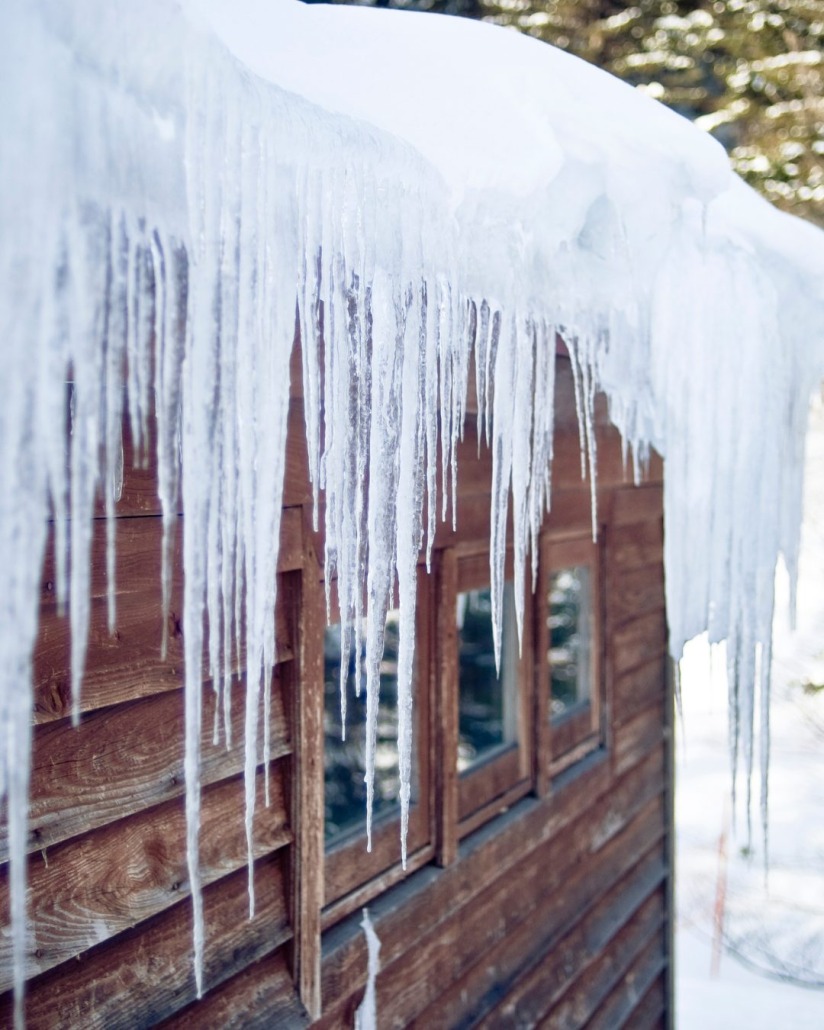
Ice damming is one of the most damaging winter roofing issues because it creates a simple problem with expensive consequences: water that cannot drain normally will find another path. When snow melts and refreezes in the wrong places, ice can form a “dam” that traps water on the roof. That trapped water can back up under roofing materials, enter the building envelope, soak insulation, and cause interior damage.
Ice damming affects both residential and commercial properties, but the way it forms, where it shows up, and how it should be addressed can look very different. If you’re responsible for a building, understanding those differences can help you respond faster and prevent repeat leaks.
What is ice damming?
An ice dam forms when snow or ice melts on a warmer area of a roof and refreezes on a colder area. Over repeated freeze-thaw cycles, refrozen meltwater builds into a ridge of ice that blocks drainage.
Once that ridge forms, additional meltwater can no longer flow off the roof the way it was designed to. The water pools behind the dam and can work its way into vulnerable areas such as seams, fastener lines, penetrations, flashing transitions, or under roofing materials.
Why ice damming is dangerous
Ice damming is not just a nuisance. It can create serious building and safety risks, including:
- Interior leaks and water damage: Water can enter ceiling cavities, walls, and tenant spaces. This can damage drywall, ceilings, electrical systems, and inventory.
- Wet insulation and higher energy costs: When insulation becomes saturated, it loses effectiveness. That can increase heating costs and make future ice damming more likely.
- Roof system deterioration: Repeated water intrusion and freezing can stress roof components, loosen flashings, and accelerate aging.
- Mold and indoor air quality concerns: Persistent moisture inside assemblies increases mold risk, especially when leaks go unnoticed for days or weeks.
- Slip hazards and property damage at the perimeter: As meltwater refreezes at edges, ice can form on walkways and entry points, increasing liability.
The most important point is this: a winter leak is often a symptom of a broader issue involving drainage, heat loss, and roof details. Fixing the leak without fixing the cause usually means it comes back.
Residential vs. commercial ice damming: what’s different?
Ice damming exists in both environments, but the typical causes and failure points are not the same.
Residential roofs
Residential ice dams most often form at eaves and gutters. The classic pattern looks like this:
- Warm air from the home escapes into the attic due to insufficient insulation or air sealing.
- Snow melts on the upper roof surface.
- Meltwater runs down toward the colder overhang and gutter line.
- Water refreezes at the edge, forming a dam.
- Water backs up under shingles and into the attic or wall assemblies.
Key residential contributors include:
- Inadequate attic insulation
- Air leaks from recessed lights, bath fans, attic hatches, or ductwork
- Poor attic ventilation
- Clogged gutters or downspouts
- Complex rooflines, valleys, and dormers that concentrate snow
Typical residential warning signs:
- Icicles along gutters and eaves
- Water staining on exterior walls near the roofline
- Leaks that appear after snowfalls followed by warmer days
- Ice buildup in valleys or behind chimney areas
Commercial roofs
Commercial ice damming often forms around drainage points and perimeter transitions, and it may not be visible from the ground. Many commercial roofs are low-slope or “flat” (they still have slope, but minimal), so drainage performance matters even more.
In commercial settings, ice dams can form when:
- Meltwater cannot reach internal drains due to snow drifts, ice rings, or ponding that freezes overnight.
- Scuppers, gutters, and downspouts freeze or clog, creating a backup at the perimeter.
- Warm zones near mechanical units or penetrations accelerate melting, while colder perimeter areas refreeze the runoff.
Key commercial contributors include:
- Blocked or poorly performing drains and scuppers
- Areas with chronic ponding water
- Parapet walls and edge conditions where refreezing occurs
- Rooftop units creating localized melt zones
- Older flashing details that become vulnerable when water backs up
Typical commercial warning signs:
- Leaks that show up far from where the water entered (water travels within roof assemblies)
- Staining near exterior walls or around penetrations
- Ice buildup at scuppers, downspouts, or drain bowls
- Unusual winter-only leaks that disappear in warmer months
The biggest difference is that residential ice dams are often tied to attic heat and ventilation, while commercial ice damming is frequently tied to drainage performance, roof details, and freeze-thaw behavior across large roof areas.
How to fix ice damming safely
The right fix depends on whether you’re dealing with an active leak, a drainage blockage, or an underlying building condition. In general, the safest approach is to handle ice damming in two phases: immediate mitigation and long-term correction.
1) Immediate mitigation (stop the damage)
When ice damming is actively causing leakage, priorities are:
- Restore drainage where possible by safely clearing snow and ice from drains, scuppers, and runoff paths.
- Control interior exposure using temporary protection for equipment and spaces.
- Avoid aggressive ice removal methods that can damage roof systems. Chipping, prying, or using sharp tools can puncture membranes, break flashings, or compromise shingles and underlayment.
On commercial roofs, safe access and fall protection are critical. Ice removal in winter conditions should be performed by trained professionals with the right equipment and procedures.
2) Corrective repairs (address vulnerabilities after weather improves)
After conditions stabilize, the next step is to identify where water backed up and how it entered. Depending on the roof type and damage, corrective repairs may include:
- Repairing or replacing compromised flashings and terminations
- Resealing seams and penetrations
- Addressing damaged edge conditions
- Replacing saturated insulation or wet components (when applicable)
A common mistake is to assume the leak location inside is the same as the entry point. That’s often not true, especially on commercial roofs.
How to prevent ice damming from coming back
Lasting prevention is about removing the conditions that create meltwater and refreezing, and ensuring the roof can drain reliably even during winter weather.
Residential prevention focuses on heat control
- Improve attic insulation and air sealing to reduce heat loss.
- Ensure bathroom fans and dryers vent properly to the exterior, not into attic spaces.
- Verify attic ventilation is balanced and functioning.
- Keep gutters clear so meltwater can exit the roofline.
Commercial prevention focuses on drainage and detail performance
- Schedule pre-winter inspections to confirm drains, scuppers, gutters, and downspouts are clear and functional.
- Identify areas of ponding water and evaluate slope or drainage improvements.
- Review edge details, parapet transitions, and penetration flashings for vulnerability under backed-up water conditions.
- Create a winter response plan for major snow events, including post-storm drain checks.
For many facilities, a proactive maintenance plan is the difference between a manageable winter and repeated emergency calls.
When to call Commonwealth Roofing
If you’re seeing winter leaks, ice buildup around drainage points, or recurring staining that appears only after snow and freezing temperatures, ice damming may be part of the problem. Commonwealth Roofing can inspect your roof, identify whether ice damming is the root cause, and recommend the right combination of immediate mitigation and long-term prevention.
Safety, Service, & Quality — every day since 1981.
Louisville: (502) 459-2216
Hebron: (859) 943-0012
Service: (888) 818-4842