How Often Should a Commercial Roof Be Inspected?
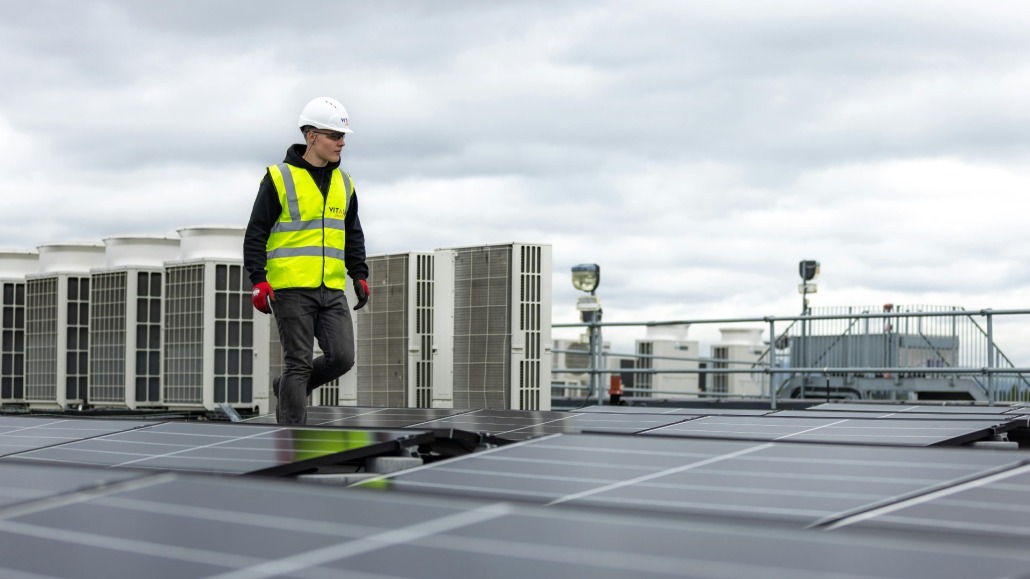
Your commercial roof is one of the most important parts of your building, but it is also one of the easiest to overlook. It is out of sight, exposed to the elements every day, and often only gets attention when there is an active leak.
That approach can be costly.
A commercial roof protects your people, inventory, equipment, tenants, customers, and daily operations. When small problems go unnoticed, they can quickly turn into interior water damage, insulation saturation, structural issues, mold concerns, energy loss, and emergency repair costs. The best way to avoid those surprises is to inspect your roof on a regular schedule.
So, how often should a commercial roof be inspected?
In most cases, a commercial roof should be professionally inspected at least twice a year — once in the spring and once in the fall. It should also be inspected after major weather events, after nearby construction work, and any time you notice signs of leaks or roof damage.
That simple schedule can make a major difference in the life of your roof.
Why commercial roof inspections matter
A commercial roof is not a “set it and forget it” system. Even a well-installed roof needs routine maintenance to perform the way it should. UV exposure, heavy rain, ponding water, foot traffic, temperature swings, wind, debris, clogged drains, and aging materials all affect your roof over time.
Many roof problems start small. A loose seam, damaged flashing, cracked sealant, clogged drain, puncture, or deteriorated pipe boot may not seem urgent at first. But once water gets into the roof system, the damage can spread beneath the surface before anyone inside the building notices.
By the time water stains appear on ceiling tiles, the leak may have already affected insulation, decking, electrical systems, interior finishes, or stored materials. What could have been a small repair may become a much larger project.
Routine inspections help identify problems early, document the condition of the roof, support warranty requirements, and allow building owners to plan repairs instead of reacting to emergencies.
The recommended inspection schedule
For most commercial buildings, the best inspection schedule is:
Twice per year: spring and fall.
A spring inspection helps identify damage caused by winter weather. Freezing temperatures, snow, ice, heavy rain, and freeze-thaw cycles can be hard on roof systems. Spring is a good time to check drains, seams, flashing, penetrations, rooftop equipment areas, and any sections where water may have ponded during colder months.
A fall inspection helps prepare the roof for winter. Leaves, branches, debris, clogged drains, loose materials, and minor damage should be addressed before colder weather arrives. This is especially important because winter conditions can make roof repairs more difficult and can increase the impact of existing vulnerabilities.
This twice-a-year schedule gives property managers and building owners a practical rhythm. It keeps roof care from becoming an afterthought and helps create a record of roof performance over time.
When additional inspections are needed
While spring and fall inspections are a strong baseline, some situations call for additional roof evaluations.
After severe weather
Commercial roofs should be inspected after major storms, especially when there has been high wind, hail, heavy rainfall, flying debris, or unusual weather activity. Even if there is no visible leak inside the building, the roof may have sustained damage.
Wind can lift membrane edges, loosen flashing, move rooftop materials, or damage metal components. Hail can bruise or puncture roof surfaces. Heavy rain can expose drainage problems. Debris can damage the roof or block water flow.
A post-storm inspection helps confirm whether the roof is still watertight and whether repairs are needed before the next round of weather arrives.
After rooftop work
Commercial roofs often support HVAC units, vents, pipes, exhaust fans, satellite equipment, solar components, and other systems. That means people who are not roofing professionals may need to access the roof for service or installation work.
Even careful technicians can accidentally drop tools, puncture membrane, damage flashing, leave debris behind, or disturb roof details around equipment. After mechanical, electrical, plumbing, or other rooftop work, it is smart to have the roof checked.
This helps ensure the roof was not unintentionally damaged and gives you documentation if an issue appears later.
After construction nearby
Nearby construction can also affect a commercial roof. Debris, dust, fasteners, materials, overspray, or increased foot traffic can create problems. If work is taking place on your building or adjacent properties, a roof inspection may be worthwhile once the work is complete.
When ownership or tenancy changes
If you are buying, selling, leasing, or renewing a commercial property, a roof inspection can provide important information. The condition of the roof affects building value, capital planning, insurance considerations, and future maintenance costs.
A professional roof assessment can help identify current issues, estimate remaining service life, and clarify what repairs or maintenance may be needed.
When you see signs of trouble
You should not wait for the next scheduled inspection if your building shows signs of a roofing problem. Warning signs include water stains, active dripping, wet insulation, musty odors, bubbling paint, stained ceiling tiles, unexplained humidity, roof debris on the ground, standing water on the roof, or visible damage from inside or outside the building.
Any of these signs should be addressed promptly.
What a commercial roof inspection should include
A professional commercial roof inspection should look at the full roof system, not just the area where a problem is obvious. Roof leaks can travel before they appear inside the building, so a thorough inspection matters.
A typical inspection may include evaluation of:
Roof membrane condition, seams, flashing, edge metal, walls, penetrations, drains, scuppers, gutters, downspouts, rooftop equipment, pipe boots, curbs, skylights, hatches, expansion joints, areas with ponding water, signs of foot traffic damage, previous repairs, loose materials, debris, and interior signs of moisture.
The inspector should also look for safety concerns and access issues. A roof that is difficult to access or has heavy rooftop traffic may need additional maintenance planning.
Good inspections should include photos, notes, and recommendations. Documentation matters because it helps track changes over time. It also gives property owners, facility managers, and decision-makers a clear record of what was found and what needs attention.
How roof type affects inspection frequency
Not every commercial roof has the same inspection needs. The right schedule depends on the roof system, age, condition, building use, location, and exposure.
For example, single-ply roof systems such as TPO, PVC, and EPDM should be checked for punctures, seam conditions, flashing details, drainage issues, and membrane wear. Metal roof systems should be inspected for fastener issues, panel movement, sealant deterioration, rust, seams, penetrations, and gutter conditions. Coating systems should be checked for adhesion, wear, thickness, cracks, ponding water areas, and damage around details.
Older roofs usually need more frequent attention than newer roofs. A roof near the end of its expected service life may need quarterly inspections or more regular monitoring, especially if the building contains sensitive operations, valuable inventory, or tenants who cannot afford disruptions.
Buildings with high rooftop traffic may also need extra inspections. Restaurants, manufacturing facilities, healthcare buildings, schools, warehouses, retail centers, and multi-tenant properties often have multiple service providers accessing the roof throughout the year. More traffic means more opportunity for accidental damage.
Why drainage deserves special attention
Drainage is one of the most important parts of commercial roof performance. Many commercial roofs are low-slope, which means they rely on drains, scuppers, gutters, and proper slope to move water off the roof.
When drainage systems are blocked by leaves, branches, trash, roofing debris, or sediment, water can collect on the roof. Standing water adds weight, accelerates material deterioration, increases leak risk, and may indicate a larger design or maintenance issue.
During inspections, drains and water pathways should be checked carefully. Keeping drainage clear is one of the simplest and most effective ways to reduce preventable roof problems.
How inspections support roof warranties
Many commercial roof warranties require routine maintenance. Some owners assume a warranty means every issue will be covered automatically, but that is not always the case. Neglect, lack of maintenance, unauthorized repairs, storm damage, or damage caused by other trades may affect coverage.
Regular professional inspections help show that the roof has been maintained. They also help identify warranty-related concerns while there is still time to address them properly.
If your roof is under warranty, ask your roofing contractor what inspection and maintenance records you should keep. At minimum, save inspection reports, photos, repair records, invoices, and notes about storm events or rooftop work.
The cost of skipping inspections
Skipping roof inspections may seem like a way to save money, but it often leads to higher costs later.
A small puncture can become saturated insulation. A clogged drain can become ponding water. Loose flashing can become interior damage. Minor sealant failure can become repeated leaks. Unnoticed damage from another trade can become a major dispute.
The biggest problem with roof damage is that it rarely stays isolated. Water can travel through roof layers, move along decking, enter walls, damage ceilings, affect electrical components, and disrupt business operations.
Emergency repairs are also more stressful and often more expensive than planned maintenance. They may happen during storms, after hours, or at times when access is limited. Preventive inspections give you more control.
Can your maintenance team inspect the roof?
Your internal maintenance team can play an important role in roof care, but their inspections should not replace professional evaluations.
Facility teams can watch for obvious signs of trouble, keep drains clear when safe to do so, report damage, monitor ceiling stains, and limit unnecessary roof traffic. They can also help document who accesses the roof and when.
However, a trained commercial roofing professional knows what to look for in seams, flashing, penetrations, drainage, membrane condition, attachment, coatings, edge details, and system-specific concerns. Professional inspections are especially important for warranty compliance, repair planning, storm damage evaluation, and long-term roof management.
A good approach is to combine routine observation by your building team with scheduled professional inspections.
What building owners should do between inspections
Between professional inspections, building owners and facility managers should stay alert. You do not need to become a roofing expert, but you should have a basic roof management routine.
Keep records of leaks, repairs, storms, rooftop access, maintenance work, and tenant complaints. Make sure drains, gutters, and downspouts are monitored. Limit roof access to necessary personnel. Require service providers to report any damage they notice or cause. Do not allow unapproved contractors to make temporary roof repairs without notifying your roofing provider.
It is also wise to establish a relationship with a commercial roofing contractor before an emergency happens. When you already have a trusted contractor familiar with your building, inspections and repairs can be handled more efficiently.
How often should older commercial roofs be inspected?
A newer roof in good condition may be fine with spring and fall inspections plus post-storm checks. An older roof may need more frequent monitoring.
If your roof is approaching the end of its expected service life, has a history of leaks, has drainage problems, or protects high-value operations, consider quarterly inspections. More frequent inspections can help you decide whether to continue repairing, budget for restoration, or plan for replacement.
This is especially helpful for capital planning. A professional roofer can help you understand whether your roof has years of useful life remaining or whether ongoing repairs are becoming less cost-effective.
A practical inspection schedule for property managers
For many commercial property managers, the simplest plan looks like this:
Schedule a professional roof inspection in the spring. Schedule another in the fall. Request an additional inspection after severe weather. Inspect after major rooftop mechanical work. Keep reports and photos organized by building and date. Address small repairs promptly before they become bigger problems.
That schedule is simple, realistic, and effective.
The key is consistency. A roof inspection is not just a box to check. It is part of protecting the building, controlling costs, reducing risk, and extending the life of one of your largest assets.
So, how often should your commercial roof be inspected?
At minimum, your commercial roof should be professionally inspected twice a year — once in the spring and once in the fall. It should also be inspected after major storms, after rooftop service work, and whenever you notice signs of damage or leaks.
For older roofs, high-traffic roofs, buildings with sensitive operations, or roofs with a history of problems, quarterly inspections may be a better choice.
The most important thing is not to wait until water is coming through the ceiling. By then, the roof has already failed in some way. Routine inspections help catch issues early, reduce emergency calls, protect your warranty, and give you a clearer plan for maintenance, repairs, restoration, or replacement.
A commercial roof is a major investment. Regular inspections are one of the best ways to protect it.
Safety, Service, & Quality — every day since 1981.
Louisville: (502) 459-2216
Hebron: (859) 943-0012
Service: (888) 818-4842