How Geese Damage Commercial Roofs
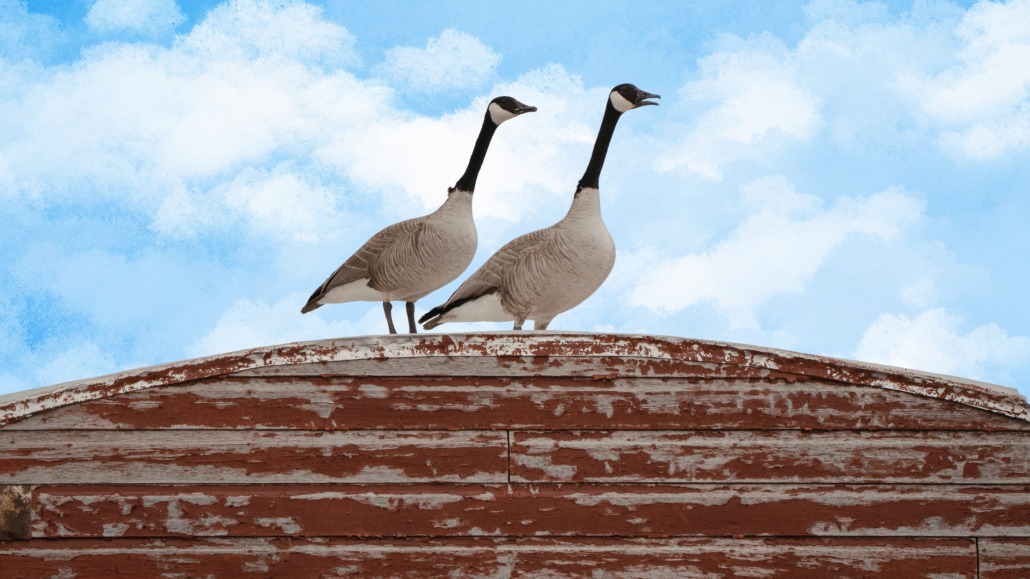
Geese may not be the first thing building owners think about when considering commercial roof damage, but they can create real problems over time. On many commercial properties, especially those near retention ponds, lakes, open fields, and landscaped office parks, geese are more than a nuisance. They can affect roof cleanliness, drainage, maintenance access, and overall roof performance.
For property managers and facility teams, the issue is not just that geese land on the building. The larger concern is what repeated goose activity can do to a commercial roofing system, particularly on flat and low-slope roofs where drainage and routine inspection are essential. When geese return day after day, they leave behind waste, feathers, and debris that can make a roof harder to maintain and more vulnerable to preventable damage.
Understanding how geese can affect your roof is the first step toward protecting your building and reducing long-term maintenance costs.
Why geese are attracted to commercial buildings
Commercial properties often create an ideal environment for geese. Large open spaces, nearby water sources, low foot traffic on rooftops, and wide flat surfaces can all make a building more attractive for resting and repeat landing. If a facility sits near a pond, detention basin, or heavily landscaped grounds, the likelihood of goose activity often increases.
From a bird’s perspective, a commercial roof can feel safe and undisturbed. A low-slope roof offers a broad landing area, visibility in all directions, and fewer immediate threats than ground-level spaces. Once geese start using a roof regularly, they may continue returning to the same location.
That repeated activity is where roof-related issues begin.
Can geese damage a commercial roof?
Yes, geese can contribute to commercial roof problems. In many cases, the damage is not from a single event but from repeated occupation of the roof over time. Their presence can create sanitation concerns, drain blockages, increased maintenance demands, and conditions that make other roofing problems more likely.
While geese may not tear apart a roofing membrane the way a storm can, they can absolutely create conditions that shorten the time between cleanings, complicate inspections, and increase the risk of leaks and drainage problems.
How geese can damage a commercial roof
1. Goose droppings create unsanitary roof conditions
The most obvious issue is waste buildup. Goose droppings can accumulate quickly on commercial roofs, especially when geese repeatedly land in the same areas. This creates a messy and unsanitary environment for anyone who needs rooftop access, including maintenance crews, HVAC contractors, inspectors, and roofing technicians.
Heavy droppings on a roof can also:
- make it harder to safely walk work areas
- create unpleasant odor around roof hatches and equipment
- cover rooftop surfaces and details that should remain visible
- increase cleanup time before inspections or repairs can begin
A dirty roof is not just an aesthetic problem. It is a maintenance problem. When key details are hidden beneath droppings and debris, small roofing issues can be easier to miss.
2. Geese can contribute to clogged roof drains
On flat and low-slope commercial roofs, drainage matters. Water needs a clear path to interior drains, scuppers, gutters, and downspouts. When geese spend time on a roof, they leave behind more than waste. Feathers, nesting debris, and general buildup can collect around drainage points and slow water flow.
That is important because blocked or partially blocked drainage can lead to ponding water. Once water sits on a roof longer than intended, the system is exposed to added stress. Over time, standing water can increase the likelihood of leaks, seam stress, flashing wear, and premature aging in vulnerable areas.
For low-slope roofs in particular, even minor drain obstructions can become a larger issue after repeated rain events.
3. Nesting debris can collect around roof details
During nesting season, geese may become more aggressive and more committed to specific locations. If they begin using a roof as part of their nesting or resting pattern, debris can start collecting around rooftop details.
This can include areas such as:
- HVAC curbs
- roof penetrations
- parapet walls
- corners and transitions
- behind equipment screens
- near access hatches
These areas are already important to monitor because they are common points where leaks can begin. When nesting materials and droppings collect around them, routine inspection becomes more difficult and water movement can be affected.
Even if geese do not directly puncture the membrane, they can create conditions around these critical areas that increase maintenance concerns.
4. Goose activity can interfere with roof inspections
Commercial roofs need regular inspections to perform well over time. One of the best ways to extend roof life is to catch small issues before they become major repairs. But when geese occupy a roof regularly, inspections become more complicated.
Technicians may have to work around aggressive birds, especially during nesting season. Even when geese are not acting aggressively, heavy contamination can slow down inspection work and make documentation less clear. If a roof is covered in droppings, feathers, or debris, important warning signs may be harder to identify right away.
This matters because preventative maintenance only works when the roof can be properly evaluated.
Why geese are a bigger problem for low-slope roofs
Geese can create trouble on almost any building, but flat and low-slope commercial roofs are especially vulnerable. These systems rely on proper drainage, clean detail areas, and routine inspection. They do not shed debris the same way a steep-slope roof might.
That means any added material left behind by geese is more likely to stay in place until someone removes it. Waste can accumulate. Feathers can drift into drains. Nesting material can settle into corners or around penetrations. The longer those conditions remain, the greater the chance they affect roof performance.
For building owners, that makes goose activity a roofing issue as much as a property management issue.
Signs geese may be affecting your commercial roof
Some goose-related roof problems are obvious, but others are easier to overlook. Common warning signs include:
- recurring droppings on rooftop walk paths or service areas
- feathers or debris collecting near drains and scuppers
- signs of nesting near rooftop equipment
- ponding water that seems worse after debris buildup
- frequent bird activity on the roof or parapet edge
- technicians reporting unsanitary or obstructed work areas
If these signs are present, it is worth having the roof inspected to confirm whether goose activity is contributing to maintenance issues or drainage concerns.
How to help deter geese from landing on a commercial roof
The best approach is not simply reacting after geese have already made a mess. A more effective strategy is to make the roof less attractive to them in the first place.
Geese tend to return to places where they feel safe. That means deterrence should focus on disrupting comfort, reducing repeat landing behavior, and limiting the conditions that encourage them to stay. For a commercial roof, that often starts with evaluating the layout of the building and identifying where geese are most likely to gather.
A professional roofing contractor can help by looking at the roof with both performance and deterrence in mind.
Rooftop assessment
The first step is identifying where geese are landing, walking, and congregating. On some roofs, the problem centers around open corners or parapet edges. On others, the issue is near equipment clusters, ponding areas, or sections with easier visibility and less disturbance.
A documented roof inspection can help map those activity zones and determine whether geese are affecting drains, walkways, or vulnerable roofing details.
Humane deterrence methods
Deterrence should be humane, practical, and suited to the building. The goal is to make the roof less appealing as a resting area without creating unnecessary risk to the roof system itself. Depending on the property, this may involve visual deterrence methods, strategic placement of bird-control measures, or changes that reduce the roof’s attractiveness to geese over time.
What matters most is that deterrence is not random. It should be based on the building layout, goose behavior patterns, and the parts of the roof that need the most protection.
Keeping drainage areas clean
If geese are already frequenting the roof, regular cleaning and maintenance become even more important. Drains, scuppers, and gutters should be kept clear so debris does not begin affecting water flow. This is especially important after storms, during seasonal changes, and during nesting periods when buildup may increase.
Monitoring and follow-up
Goose deterrence is rarely a one-time fix. It works best when the roof is monitored over time. Ongoing inspection and photo documentation can show whether geese are still landing in the same places or whether deterrence efforts are reducing activity.
That kind of follow-up also helps ensure that the roof itself remains in good condition.
How Commonwealth Roofing can help
At Commonwealth Roofing, protecting a commercial roof means looking at the full picture. That includes the membrane, flashing, drains, penetrations, rooftop equipment areas, and the outside factors that can interfere with performance. If geese are creating sanitation issues, blocking drainage, or making the roof harder to inspect, those concerns should be addressed before they contribute to larger problems.
Our team can help identify goose-related roof issues through detailed commercial roof inspections, preventative maintenance, and documented reporting. By evaluating how rooftop activity is affecting the system, we can help property owners understand where the risks are and what practical steps may help reduce them.
In many cases, that means combining sound roof maintenance with smart deterrence planning so the roof stays cleaner, more accessible, and easier to manage long term.
Protect your commercial roof before small issues grow
Geese may seem like a minor nuisance at first, but repeated activity can lead to bigger commercial roofing concerns. Droppings, nesting debris, blocked drains, and reduced inspection visibility all make a roof harder to maintain. On a low-slope roof, those conditions can contribute to bigger issues over time, including ponding water and hidden damage.
The good news is that these problems can often be reduced with proactive inspection, maintenance, and deterrence planning. The earlier goose-related activity is identified, the easier it is to keep it from becoming a more expensive roofing problem.
If your building has recurring goose activity, it may be time to look beyond cleanup and take a closer look at how it is affecting your roof.
KRCA Certified
Safety, Service, & Quality — every day since 1981
Louisville: (502) 459-2216
Hebron: (859) 943-0012
Service: (888) 818-4842