How can I make my commercial roof more energy-efficient?
For many commercial buildings, the roof is one of the biggest untapped opportunities for energy savings. It sits in direct sun, covers a huge surface area, and plays a major role in how much heat enters or escapes the building. Yet a lot of owners only think about the roof when there is a leak.
That is a mistake.
An energy-efficient commercial roof can help lower cooling demand, improve indoor comfort, protect insulation performance, and support the long-term health of the entire building envelope. The good news is that you do not always need a full replacement to make meaningful improvements. In some cases, targeted upgrades, better maintenance, or a restoration strategy can move the needle.
If you are asking how to make your commercial roof more energy-efficient, here is where to start.
Think beyond the surface
The first thing to understand is that energy efficiency is not just about the top layer of the roof. A commercial roofing system works as an assembly. The membrane matters, but so do the insulation, drainage design, air control, moisture management, and maintenance practices.
That means the most energy-efficient roof is not simply the whitest roof or the thickest roof. It is the roof system that makes sense for your climate, your building use, your existing structure, and the condition of the roof you already have.
Before making any decisions, have the roof evaluated as a system. If the membrane looks decent but the insulation is wet, compressed, or poorly installed, you may be losing performance where you cannot see it. If drains are clogged and water sits on the roof, even good materials can underperform over time.
Energy savings start with understanding what is actually happening above your ceiling.
Consider a reflective roof surface
One of the most common ways to improve roof energy performance is to reduce how much solar heat the roof absorbs. Reflective roof systems do that by bouncing more sunlight away and releasing more absorbed heat back into the atmosphere.
On many commercial buildings, especially those with large low-slope roofs and significant cooling loads, a reflective surface can help reduce rooftop temperatures and ease the burden on air-conditioning systems. That can translate into lower cooling costs and better comfort for occupants.
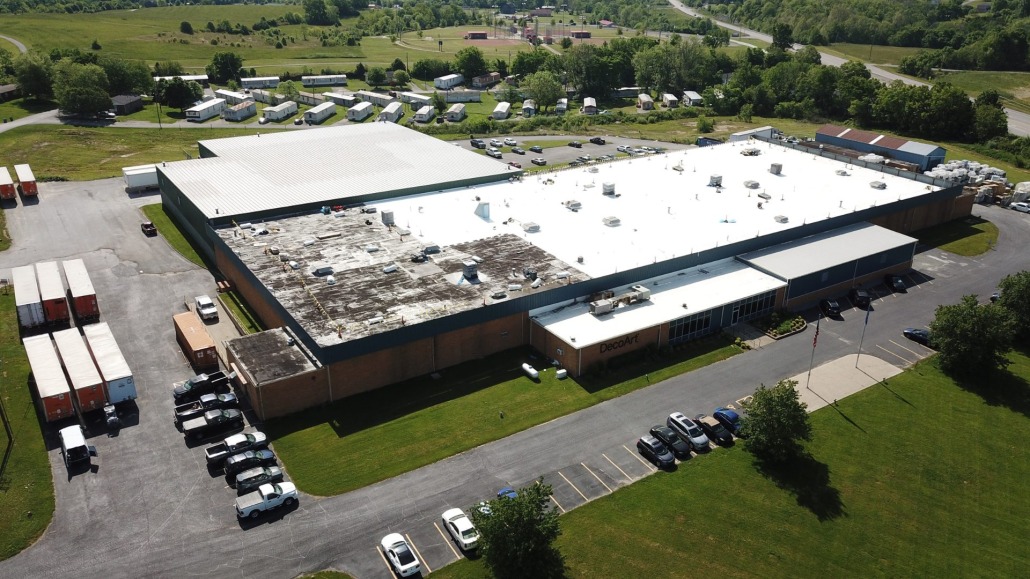
This can be achieved in a few ways. If you are replacing the roof, you may choose a reflective membrane. If the existing roof is still a good candidate for restoration, a reflective coating may be an option. In either case, the goal is the same: reduce heat gain through the roof assembly.
That said, reflectivity is not a one-size-fits-all answer. A highly reflective roof can be especially beneficial in hot, sunny regions or buildings that spend a lot on cooling. In colder climates, the equation can be more nuanced because reducing solar heat gain may slightly increase heating demand in winter. For that reason, the smartest decision is usually based on local climate, building operations, energy use patterns, and the rest of the roof assembly.
A reflective roof is often a strong move, but it works best when it is chosen strategically rather than automatically.
Upgrade insulation where it counts
If reflectivity is what most people notice, insulation is often what makes the biggest year-round difference.
Roof insulation slows the movement of heat into and out of the building. In summer, it helps keep outside heat from pushing indoors. In winter, it helps keep conditioned heat from escaping. If your roof is underinsulated, you are likely paying for it every month, even if the membrane itself looks fine.
This is why reroofing projects can be such valuable opportunities. Once work is being done anyway, it may make sense to upgrade insulation levels instead of simply replacing materials in kind. That can improve thermal performance for years to come.
The key is not just adding more insulation, but choosing the right insulation strategy. Thickness matters, but so do compressive strength, moisture resistance, compatibility with the roof system, local code requirements, and the conditions on your building. In some cases, tapered insulation may also be recommended so you improve both thermal performance and drainage at the same time.
One important point is often overlooked: wet insulation is failing insulation. Even minor moisture intrusion can reduce thermal performance and waste energy. If your roof has a history of leaks, repairs, or ponding water, it is worth investigating whether the insulation beneath the surface is still doing its job.
A roof can look acceptable from above and still be costing you money from below.
Improve drainage to protect performance
Drainage may not sound like an energy topic, but it absolutely is.
When water ponds on a commercial roof, it does more than create maintenance headaches. Standing water accelerates wear, increases the risk of leaks, and can contribute to moisture problems that reduce insulation effectiveness. Once insulation gets wet, the roof assembly loses some of its ability to resist heat flow, and your building pays the price.
Good drainage starts with slope. Even roofs that appear flat should be designed to move water toward drains, scuppers, or gutters. If your roof has recurring ponding, a tapered insulation redesign may be part of the solution. Crickets and saddles can also help redirect water around curbs and rooftop equipment.
Just as important is routine upkeep. Roof drains need to stay clear. Debris, leaves, and sediment should not be allowed to block water flow. Many energy-efficiency discussions focus on big capital improvements, but keeping drains open can preserve the performance of the roof you already own.
In other words, drainage is not just about preventing leaks. It is about protecting the thermal value of the entire system.
Pay attention to air leaks and moisture control
A commercial roof can lose energy even when the insulation level looks good on paper. One major reason is uncontrolled air movement.
Warm or cool indoor air can escape through gaps around penetrations, curbs, transitions, joints, and rooftop equipment. That air leakage wastes conditioned air and can also create condensation risks within the assembly. Over time, moisture and condensation can damage materials and undermine thermal performance.
That is why air control and moisture control deserve a place in any energy-efficiency conversation. If you are reroofing or restoring, ask whether the design properly addresses penetrations, transitions, vapor control, and air sealing. Pay close attention to areas around skylights, vents, ducts, and HVAC supports, since those are often weak points.
This is one of the biggest reasons energy upgrades should be treated as system upgrades, not just product swaps. A premium membrane installed over unresolved moisture and air leakage issues will not perform the way you expect.
Explore restoration before full replacement
If your roof is structurally sound but starting to show age, restoration may be worth considering. For the right roof, a coating or restoration system can improve reflectivity, extend service life, and avoid the disruption of a complete tear-off.
This approach can be attractive for occupied buildings because it is often less invasive. It may also reduce waste and shorten project timelines. From an energy perspective, restoration can be especially useful when it renews the roof surface and improves solar reflectance without requiring a full rebuild.
But restoration is not a cure-all. A roof with severe damage, trapped moisture, deteriorated substrate, or widespread failure may not be a good candidate. The decision should be based on condition, remaining service life, operational priorities, and long-term building plans.
A restoration strategy works best when it is chosen for the right reasons, not just because it appears cheaper in the short term.
Commit to maintenance like it affects utility bills
It does.
Regular maintenance is one of the simplest and most overlooked ways to protect roof energy performance. Small defects become expensive problems when they are ignored. A loose seam, minor puncture, blocked drain, or flashing issue can let water in, and once moisture reaches the insulation, efficiency starts to drop.
A smart maintenance plan should include routine inspections, especially after major weather events, plus scheduled cleaning and prompt repairs. Roof traffic should also be managed carefully. Service technicians working on HVAC units can unintentionally damage the roof surface, so designated walkways and better coordination matter.
If you want your roof to stay energy-efficient, maintain it as if performance depends on it, because it does.
Make roofing decisions with the whole building in mind
The best commercial roof decisions are rarely made in isolation.
If rooftop HVAC equipment is aging, coordinate roofing work with mechanical upgrades. If you are already opening the assembly, evaluate insulation and drainage at the same time. If your utility costs are climbing, compare roof improvements against actual building energy data instead of relying on assumptions.
Sometimes the highest return comes from combining measures: better insulation, improved drainage, targeted air sealing, and a reflective surface working together. That kind of layered strategy usually outperforms any single upgrade on its own.
The bottom line
If you want a more energy-efficient commercial roof, start by shifting your mindset. Do not think of the roof as a weather shield alone. Think of it as a major energy asset.
The most effective path usually includes four things: a roof assembly that resists heat flow, a surface that manages solar gain appropriately, a drainage design that keeps water moving, and a maintenance plan that protects performance over time.
For some buildings, that means a reflective membrane. For others, it means more insulation, better drainage, restored coatings, improved air sealing, or a full replacement with stronger thermal design. The right answer depends on the building, but the principle is always the same: energy efficiency improves when the roof is designed, repaired, and maintained as a complete system.
A commercial roof does far more than cover your building. Done right, it can help lower operating costs, support occupant comfort, and deliver value every day it stays overhead.