Freeze–Thaw Cycles: How Winter Weather Causes Leaks & Energy Loss
Winter brings repeated freeze–thaw cycles. That daily (and sometimes hourly) swing above and below 32°F is one of the most common drivers of roof leaks, premature roof aging, and rising energy bills.
Freeze–thaw damage can show up on any roof, but low-slope commercial roofs are especially vulnerable because they’re designed to manage water differently than steep-slope roofs — and they have more penetrations, seams, transitions, and drainage details where winter stresses concentrate.
Below is a practical, building-owner-friendly breakdown of what’s happening on your roof, why it leads to problems like leaks and heat loss, and what you can do about it.
What “Freeze–Thaw” Really Means for a Roof
Freeze–thaw is a simple concept with complicated consequences:
- Water gets into or onto roofing materials (at seams, flashings, fasteners, tiny cracks, porous masonry, or saturated insulation).
- Temperatures drop and that water freezes and expands.
- Temperatures rise and it thaws, often flowing deeper into gaps.
- Repeat the cycle dozens of times per season — the roof gradually “works itself open.”
That expansion-and-contraction movement affects more than just the roof surface. It stresses:
- Seams and laps
- Flashing edges and terminations
- Sealants and mastics
- Metal coping, edge metal, and fasteners
- Roof penetrations (HVAC curbs, pipes, vents)
Over time, those weak points can turn into leaks.
Why Freeze–Thaw Often Leads to Leaks
1) Small openings get bigger
A hairline split at a seam or flashing might not leak in summer. In winter, freeze expansion can widen it — then thawed water finds the new pathway.
2) Ice “dams” water where it shouldn’t be
Even on low-slope roofs, ice can form at:
- Drains and scuppers
- Parapet corners
- Valleys and low spots
- Shaded roof zones near taller walls
When drainage is slowed by ice, water backs up and sits longer. The longer water sits, the more likely it is to find a pathway in.
3) Wind-driven winter rain is sneaky
Cold-season storms often include wind-driven rain or melting snow that’s pushed laterally. That water can be forced into flashing details that normally shed water effectively.
The Hidden Cost: Freeze–Thaw and Energy Efficiency
Leaks are the obvious consequence. Energy loss is the quieter one — and it often gets expensive before anyone notices.
Wet insulation = lower R-value
When insulation becomes damp, it typically insulates far worse than when it’s dry. That means:
- More heat loss through the roof deck
- HVAC systems work harder
- Comfort complaints increase (cold spots, drafts, temperature swings)
Air leakage increases
Freeze–thaw movement can open gaps at penetrations and transitions, creating air leakage pathways. Heated indoor air escaping upward can also accelerate snow melt on the roof, feeding more refreeze at colder edges and drains.
Why Low-Slope Roofs Are Especially Vulnerable
Low-slope roofs aren’t “flat” — they should have slope to drains — but they’re still more prone to standing water and complex detailing. That combination makes freeze–thaw tougher on them.
1) Water stays on the roof longer
Even well-designed low-slope systems may hold water briefly after storms. If drains are slow, partially blocked, or iced over, that time increases.
More time + cold temperatures = more freeze–thaw stress.
2) Seams and flashing details do the heavy lifting
Low-slope roof membranes rely on seams, terminations, and flashings to remain watertight. Freeze–thaw cycles repeatedly tug at these details as materials contract and expand.
3) Penetrations multiply risk
Commercial roofs often have:
- HVAC curbs and units
- Pipe penetrations
- Conduit supports
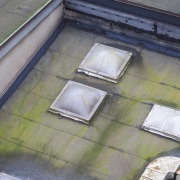
- Skylights
- Roof hatches
Each one is a transition point — and transition points are where freeze–thaw damage likes to start.
4) Parapets and edge metal take a beating
Parapet walls and edge metal experience sharp temperature changes and wind exposure. Movement there can loosen fasteners, open joints, and stress terminations.
Common Freeze–Thaw Symptoms Building Owners Should Watch For
You don’t need to be a roofer to spot early warning signs. Here are some of the most common “winter roof clues”:
Inside the building
- Brown ceiling stains (especially after temperature swings)
- Drips that appear during thaw (not necessarily during snowfall)
- Musty odors near exterior walls (possible wet insulation)
- Condensation or frost on interior metal surfaces near roof lines
On the roof (from a safe vantage point)
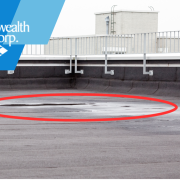
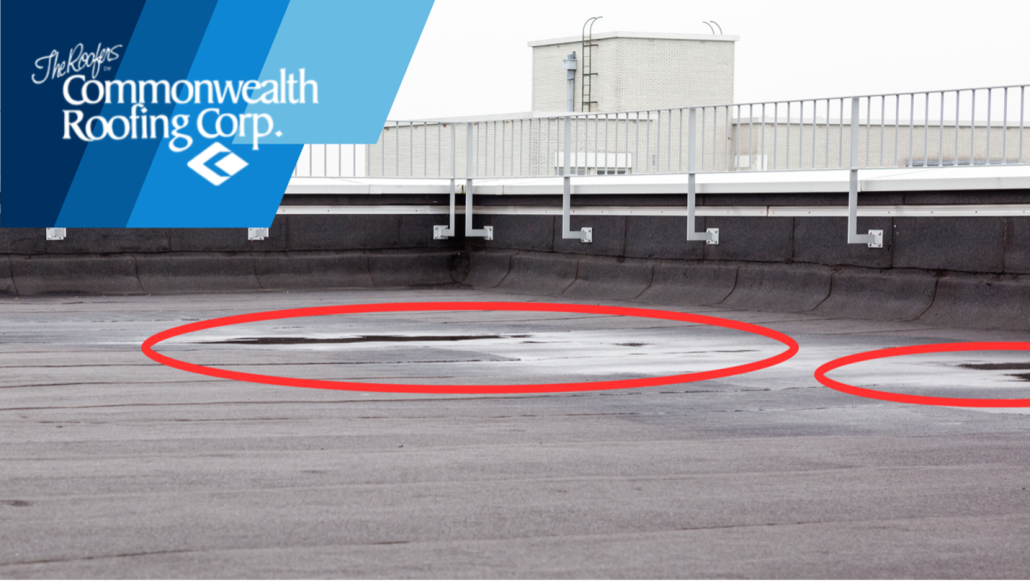
- Ponding water that lingers after a day of mild temperatures
- Ice building up at drains/scuppers
- Debris around drains (leaves, gravel, trash)
- Loose edge metal, coping, or visible gaps at flashings
If you see signs indoors, it’s worth investigating quickly — freeze–thaw problems tend to grow in steps, not in a straight line.
The Most Common Freeze–Thaw “Problem Areas” on Low-Slope Roofs
If you’re prioritizing where to look first (or where an inspection should focus), these are the usual suspects:
- Drains and scuppers: Ice slows drainage; water backs up.
- Roof-to-wall transitions: Temperature differences and movement can stress flashings.
- HVAC curbs and penetrations: Sealants and counterflashings are frequent failure points.
- Edge metal and coping joints: Expansion/contraction loosens fasteners and opens joints.
- Seams (membrane laps): Repeated movement + trapped moisture can compromise them.
- Areas under rooftop equipment: Service traffic, vibration, and poor drainage add stress.
What You Can Do to Reduce Freeze–Thaw Roof Damage
1) Keep drainage working
Even small drainage issues are magnified in winter. Before and during cold season:
- Clear drains and gutters
- Remove debris from scuppers
- Watch for recurring “slow drain” zones — they often signal slope or drain issues
2) Plan roof checkups in shoulder seasons
A roof inspection in fall (before freeze season) and again in spring (after the roof has been stressed) is one of the simplest ways to catch small issues early. KRCA specifically encourages checking roof systems in fall and spring to diagnose problems before they grow.
3) Don’t ignore “small” leaks
With freeze–thaw, small openings often widen. A minor leak today can mean:
- Wet insulation
- Rusted deck (in some assemblies)
- Mold risk
- Larger repairs later
4) Use a preventative maintenance approach
For existing buildings, the goal is usually to extend roof life through targeted repairs and planned upkeep — not just react when the leak becomes obvious. Commonwealth focuses on evaluating the roof, diagnosing defects, and proposing corrections that help extend service life.
When to Call a Professional (and What a Good Inspection Should Include)
Freeze–thaw problems are often “detail failures,” meaning they’re small, scattered, and easy to miss without a methodical approach.
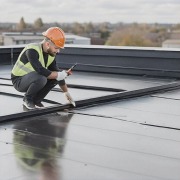
A strong commercial roof inspection should include:
- Interior review for water paths (leaks rarely drip straight down)
- Roof surface review, focusing on seams, flashings, and transitions
- Drainage assessment (drains, scuppers, slope, ponding areas)
- Photo documentation and clear next steps
Commonwealth emphasizes in-depth inspections and clear reporting so building owners can understand the scope, options, and priorities.
Bottom Line
Freeze–thaw cycles are a predictable winter reality — but roof failures don’t have to be.
If you:
- keep drainage clear,
- inspect at the right times,
- and address small issues early,
you can reduce leak risk, protect insulation performance, and avoid expensive surprises.
Safety, Service, & Quality — every day since 1981.
Louisville: (502) 459-2216
Hebron: (859) 943-0012
Service: (888) 818-4842