Are Roof Coatings Worth It? – What Owners Should Know Now
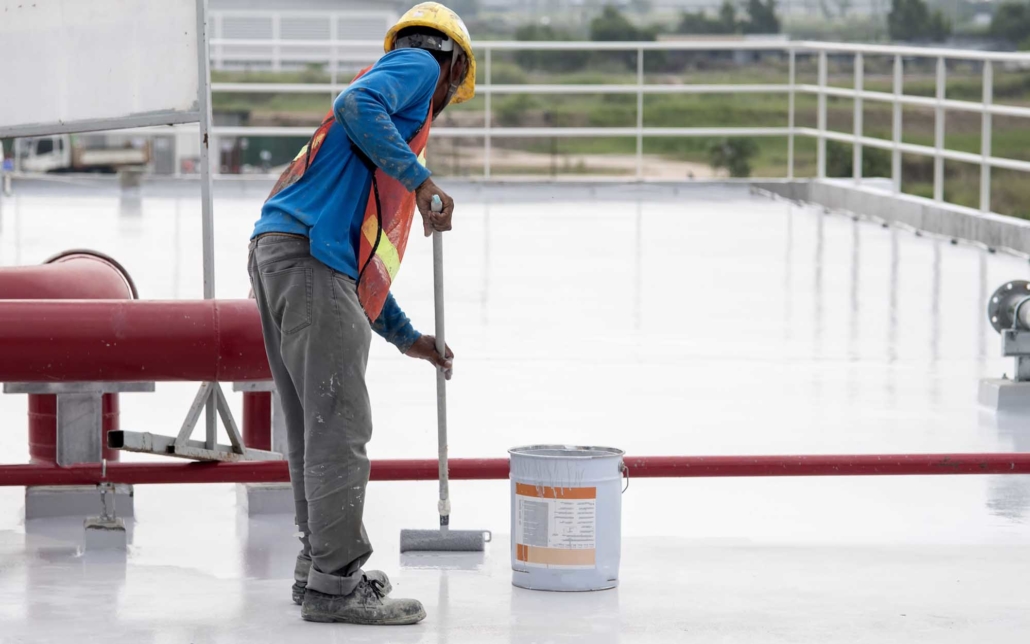
When you own or manage a commercial building, “roof coatings” can sound like a miracle fix — minimal tear-off, less disruption, lower cost and a fresh white surface that helps with energy bills. But you have probably also heard horror stories about coatings peeling, blistering or trapping moisture.
So are roof coatings actually worth it?
The honest answer: they can be a smart, cost-effective tool when the roof is a good candidate and the work is done correctly. When they are applied to the wrong roof, at the wrong time or by the wrong contractor, they fail early and cost far more than they save. Industry sources estimate that misapplied coatings cost property owners hundreds of millions of dollars every year.
This blog gives you a plain-English, 10-point suitability test you can use with your team and with Commonwealth Roofing Corp. (CRC) to decide if a coating is the right move — or if your money is better spent on a different solution.
Coatings 101 — what they can (and cannot) do
Commercial roof coatings (acrylic, silicone, polyurethane and others) are fluid-applied products that cure into a continuous film over an existing roof. When the substrate is in good shape and properly prepared, coatings can:
- Extend the service life of an aging but still sound roof by 10–15 years or more.
- Improve weathering and UV resistance.
- Reduce cooling loads when light-colored “cool roof” products are used — some studies show up to 10°F cooler interior temperatures and energy savings up to about 15 percent in warm climates.
- Cut landfill waste compared with a full tear-off.
But leading technical groups like NRCA and IIBEC stress an important point: coatings are surfacing, not structural repairs. They do not fix rotten decks, serious moisture problems or design issues like chronic ponding on low-slope roofs.
That is why a suitability test matters.
Are Roof Coatings Worth It? A 10-Point Suitability Test Owners Can Use
You do not need to become a coatings expert. Walk through these 10 questions with your roofing partner. The more “yes” answers you get, the more likely a coating is worth considering.
1. Is the roof structurally sound?
Coatings must go over a roof that is still structurally healthy.
Ask:
- Is the deck free of serious rust, rot or deflection?
- Are purlins, joists and structural members in good condition?
- Are there no signs of structural overloading or deformation?
If the structure is compromised, coating is not the answer — repair or replacement comes first. NRCA guidance is clear that coatings assume a sound substrate; they do not replace structural work.
2. What type of roof do you have?
Different roof systems behave differently under a coating.
Common candidates include:
- Single-ply membranes (TPO, PVC, EPDM) that are aged but intact.
- Certain metal roofs with recurring leaks at fasteners and laps.
- Some asphaltic systems where the surface is weathered but still well-adhered.
Compatibility and preparation requirements vary by system. NRCA’s roof coating guide specifically ties coating recommendations to roof type and existing surfacing.
Note: Commonwealth Roofing Corp. (CRC) does not install or service Modified Bitumen. If your building has a Modified Bitumen roof, CRC will still help you assess its condition and recommend appropriate options from the systems we offer.
3. How much wet insulation or trapped moisture exists?
This is a make-or-break factor.
You should not coat over roofs with widespread wet insulation or entrapped moisture. Doing so can:
- Trap water, accelerating corrosion and deterioration.
- Lead to blisters, adhesion loss and premature failure.
A good contractor will recommend moisture surveys, test cuts or other diagnostics to map wet areas. Small, isolated wet spots can often be removed and patched before coating. If moisture is widespread, you are moving into recover or replacement territory instead.
4. Does the roof drain properly — or do you have chronic ponding?
Coatings are not a cure for bad drainage. In fact, most acrylic and many other coatings are not intended to sit under permanent ponding water.
Ask:
- Does water clear from the roof within 24–48 hours after a normal rain?
- Are drains, scuppers and gutters correctly placed and sized?
- Do you have low spots where ponding always appears?
Some silicone products are designed to tolerate limited ponding, but even then, chronic standing water is a warning sign that slope or drainage need attention before coating.
5. How old is the roof, and how has it been maintained?
Age alone does not disqualify a roof, but condition and history matter.
Coatings are usually best for roofs that:
- Are approaching the end of their original service life but are not failing everywhere.
- Have a manageable number of patches and details, not a “patchwork quilt” of repairs.
- Have had at least some regular maintenance and cleaning.
Industry experience shows that coatings perform best as first-line restoration — not as a last resort on roofs that are already in failure mode.
6. What are your energy and sustainability goals?
If you operate in a cooling-dominated climate, or you simply want a more efficient building, roof coatings can help:
- Light-colored reflective coatings lower roof surface temperatures.
- Reduced heat gain can cut cooling loads and make interior spaces more comfortable.
- Keeping the existing roof in place avoids large volumes of tear-off waste.
If energy and sustainability are high priorities — and the roof passes the other suitability checks — coatings often look more attractive.
7. What is your time horizon for the building?
Your ownership and investment strategy matter.
If you plan to hold the building long-term, a coating might:
- Serve as a cost-effective life extension step, giving you another 10–15 years before a full replacement.
If you expect to sell or reposition in a shorter window:
- A quality coating system, properly documented, can stabilize risk and improve curb appeal without the cost and disruption of a full new system.
If the roof is at the very end of life and your horizon is long, replacement may still be the smarter choice.
8. Will a coating meet code and warranty requirements?
Two key questions here:
- Code compliance:
Building codes and standards reference tested assemblies and minimum performance requirements. NRCA recommends selecting coating products that comply with relevant ASTM standards and are applied in accordance with the NRCA Guidelines for the Application of Roof Coatings. - Warranty expectations:
- Some manufacturers offer coating warranties that stand on their own.
- Others treat coatings as maintenance, not as a full system warranty.
- Some manufacturers offer coating warranties that stand on their own.
Clarify what the warranty covers (and what it does not) before you commit, and make sure the installation and maintenance steps required by the manufacturer are realistic for your team.
9. Can the roof and schedule support proper preparation and application?
Coatings fail more from process problems than from product defects. Common issues include poor cleaning, inadequate repairs, wrong thickness and applying in the wrong weather conditions.
Ask your contractor:
- How will the roof be cleaned (debris removal, power washing, chemical prep)?
- What specific repairs will be completed before coating?
- What temperature and humidity window is required?
- How will wet weather be handled mid-project?
- How will wet film thickness and adhesion be checked?
NRCA’s updated guidelines emphasize preparation and in-place quality control as critical to long-term performance.
If your schedule or climate will not allow proper prep and application, it may be better to wait or to consider a different solution.
10. Do you have the right professional partner?
Even an ideal candidate roof can have a bad outcome if the contractor:
- Skips diagnostics for moisture and adhesion.
- Treats coating as paint instead of a system.
- Ignores manufacturer guidance and industry standards.
Look for a partner who:
- Is familiar with NRCA and IIBEC best practices.
- Can show successful coating projects in similar climates and building types.
- Provides clear, photo-based documentation before and after.
- Talks you out of coatings on roofs where they are not the right answer.
That last point might be the most important test of all.
So… are roof coatings worth it?
They can be — when your roof passes the suitability test and the work is done by a qualified, disciplined contractor.
A good candidate roof plus proper prep, compatible materials and quality control can give you:
- Extra years of use from an existing system.
- Lower disruption compared with tear-off.
- Energy and sustainability benefits.
- A safer, more predictable roof overhead.
A poor candidate roof, rushed prep or a cut-corner install will do the opposite.
How Commonwealth Roofing Corp. (CRC) uses this test with you
Commonwealth Roofing Corp. (CRC) applies this kind of checklist on every coating conversation:
- We start with an inspection — mapping moisture, details and drainage.
- We confirm whether coating is truly viable or if repair, recover, metal retrofit or replacement is smarter.
- If coatings are on the table, we design a system around your roof type, climate, energy goals and time horizon.
- We plan work around your operations and document everything in photos and simple language.
Sometimes that process ends with a coating proposal. Other times, we recommend against coatings because they will not deliver the performance or value you deserve.
Either way, the goal is the same — to protect people, property and production with clear information and right-sized solutions.
If you are wondering whether a coating is worth it on your building, we can walk the roof with you, apply this 10-point test and lay out your best options.