A Commercial Property Manager’s Guide to Roof Damage
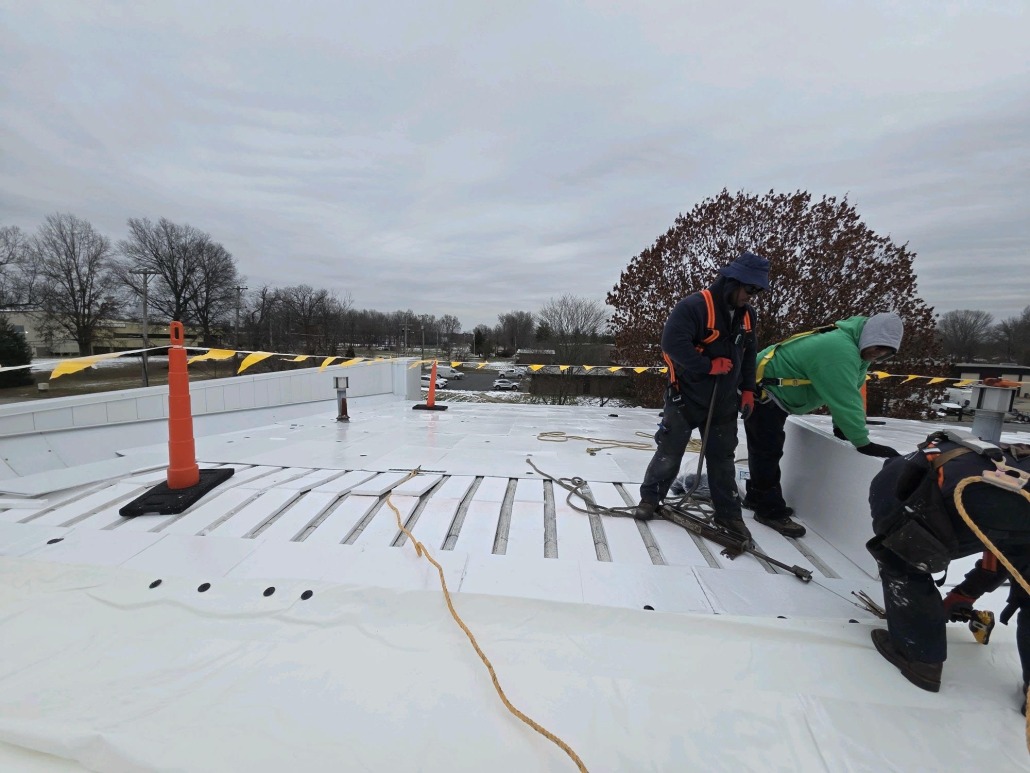
For commercial property managers, maintaining the integrity of roofing systems is an ongoing responsibility essential for protecting valuable assets, minimizing disruptions, and securing the safety of building occupants. While a roof can be easy to overlook until problems arise, proactive management and regular inspections can save both time and significant repair costs in the long run. This guide addresses the critical aspects of identifying commercial roof damage, best practices for roof maintenance, and how to build a resilient roof management strategy.
Common Signs of Commercial Roof Damage
Detecting roof damage early reduces the risk of costly emergencies and business interruptions. During routine inspections, commercial property managers should be vigilant for these warning signs:
-
Visible leaks or water stains on ceilings or walls, signaling roof membrane failures or penetration points.
-
Standing or “ponding” water on flat or low-slope roofs, which can accelerate deterioration and compromise the roof structure.
-
Damaged or missing sections of roofing material, whether metal panels, membrane seams, or built-up roofing layers.
-
Blistering, bubbling, or delamination of roof surfaces, indicating trapped moisture or air under the roofing system.
-
Debris accumulation such as branches, leaves, or trash that can block drains and encourage water buildup.
-
Deteriorated flashing, loose fasteners, or exposed seams, all of which increase vulnerability to water intrusion.
Property managers should also be attentive after major weather events, as Kentucky’s seasonal storms can lead to sudden roof impact or moisture infiltration.
Best Practices for Commercial Roof Inspections and Maintenance
A disciplined approach to commercial roof inspections is fundamental to early damage detection and prevention:
-
Schedule comprehensive inspections at least twice a year, ideally in late spring and fall to address both post-winter repairs and prepare for changing weather.
-
Inspect roofs following severe storms, high winds, or heavy rainfall, which are common in the Louisville region.
-
Use a detailed checklist to examine critical areas such as flashing, gutters, downspouts, vents, HVAC curbs, and skylights.
-
Take clear photographs and keep written records to document roof conditions, monitor trends, and guide future maintenance decisions.
-
Hire a certified commercial roofing contractor for in-depth assessments; professional inspections often reveal hidden or developing issues that internal staff may miss.
Choosing the Right Commercial Roofing System
Selecting an appropriate roofing system is a cornerstone of long-term asset protection. The best choice depends on your facility’s function, foot traffic, and design:
-
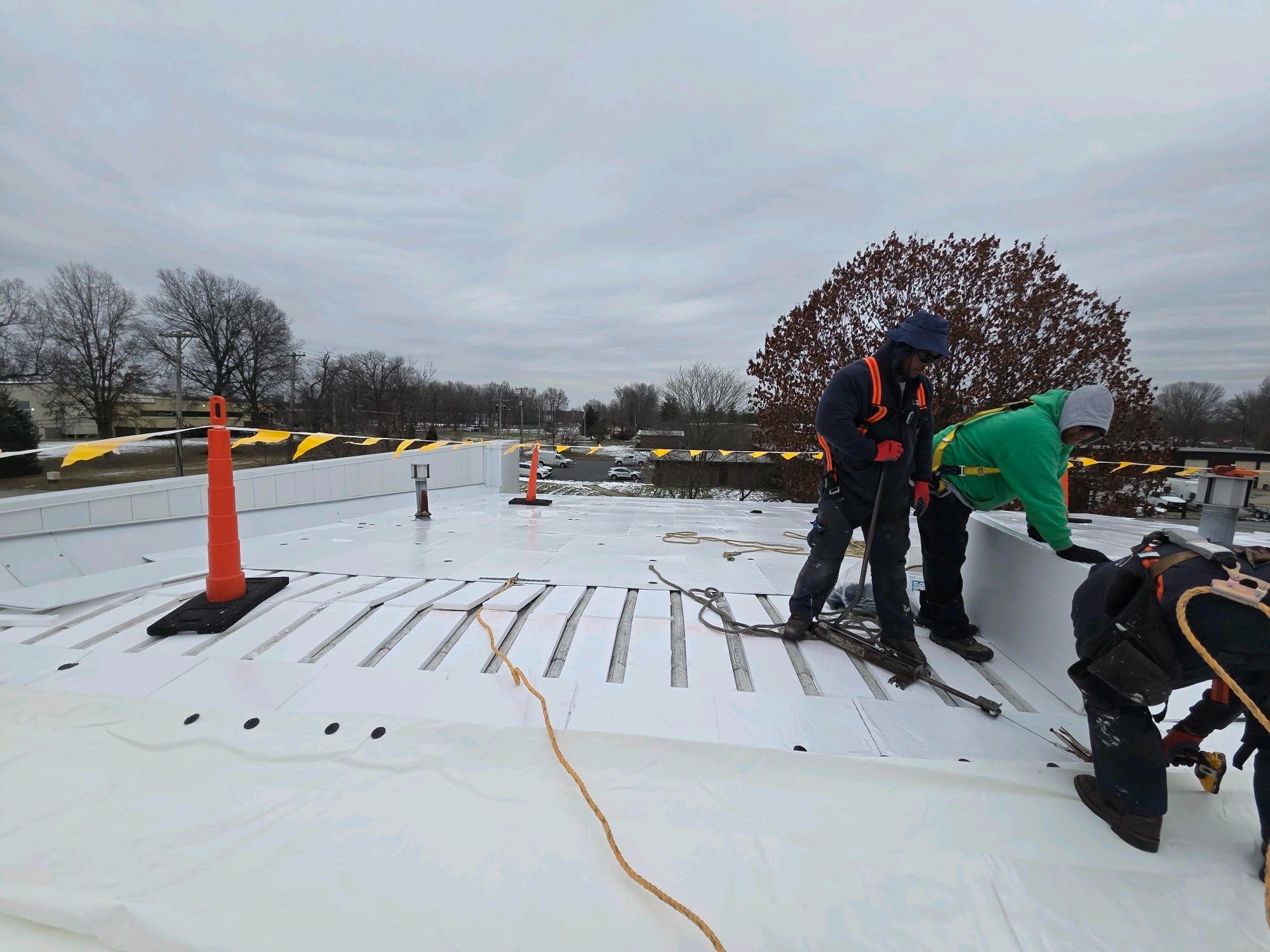
Metal Roofing is valued for its durability, energy efficiency, and low-maintenance requirements, with lifespans of 40 years or more. Proper installation and regular inspection of fasteners and seams are necessary to prevent leaks.
-
Flat Membrane Systems (such as TPO, EPDM, and PVC) are popular for their lightweight material, water resistance, and ease of repair. Maintenance includes frequent checks for seam adhesion and punctures.
-
Built-Up Roofing (BUR) and Modified Bitumen systems provide layered protection, excellent weather resistance, and are effective for rooftops that see higher operational or maintenance traffic.
Work closely with your roofing contractor to match your building’s use, budget, and desired longevity with the appropriate roofing system.
Proactive Roof Maintenance: Your Best Defense Against Costly Issues
Routine maintenance extends the life of the roof and helps property managers anticipate future repairs rather than merely reacting to emergencies. Best practices include:
-
Keeping drains, downspouts, and gutters free of obstructions at all times.
-
Promptly addressing any identified leaks, deteriorated flashing, or open seams.
-
Scheduling seasonal cleaning to remove debris, moss, and algae, which are especially relevant in Kentucky’s humid climate.
-
Reviewing the roof after tenant turnover or space modifications to ensure new penetrations or structures are properly sealed.
Establishing a relationship with a trusted commercial roofing service provider is key to receiving reliable inspections, timely repairs, and ongoing support.
Contact Commonwealth Roofing for a Commercial Roof Assessment
Ensure Your Commercial Property Is Protected in Louisville, KY
A proactive approach to roof management not only preserves the structural integrity of your commercial property but also contributes to higher tenant satisfaction and reduced operating costs. Commonwealth Roofing offers professional commercial roof repair and tailored commercial roof maintenance programs to meet the unique needs of property managers in Louisville, KY. Contact us at (502) 289-8643 or fill out our online form to schedule a comprehensive roof assessment and protect your property investment today.